

Missing Lizards
Imogen is on the trail of the Zootoca vivipara
You see the flicker, usually out of the corner of your eye, or perhaps its a disturbance in pattern rather than a clear shape. The briefest contradiction in colour and texture, as though the ground has momentarily forgotten how to be itself. In the Highlands, where everything is already layered in browns and greys and shifting light, that kind of flicker is easy to dismiss, its just a trick of the eye, you say, a movement of grass…the wind passing through. But sometimes it really isn’t. Sometimes it is something perfectly real, a creature that has been made almost invisible by design.
One such creature is the common lizard.
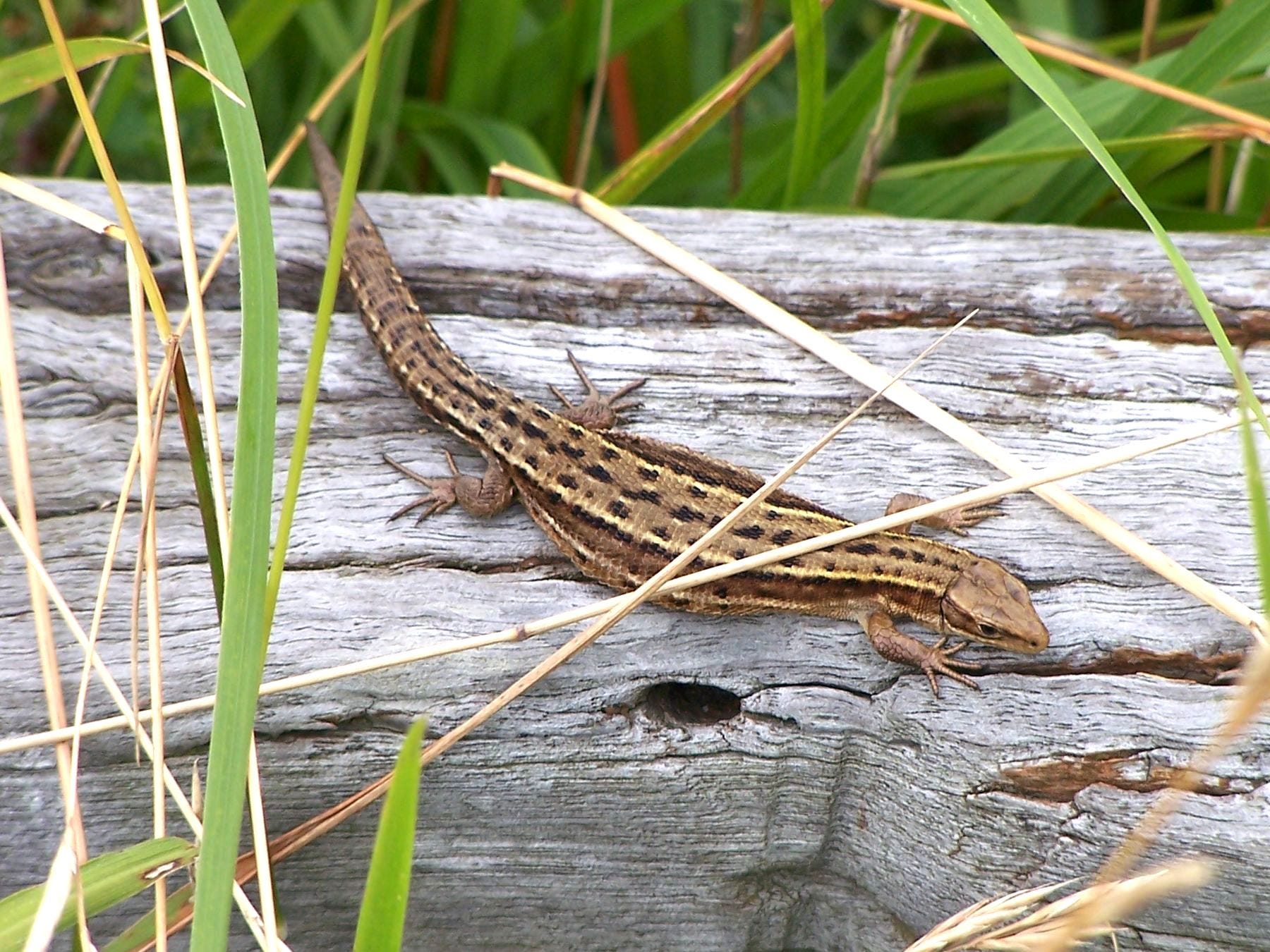
Hiding, at this scale is not hiding in the obvious sense; behind a rock or in a hole, it is about dissolving into the scenery so completely that you are only revealed when you move, and even then only for a fraction of a second. Looking out for a lizard asks something of the observer as much as the observed. You have to tune yourself to it, to learn to notice the almost-imperceptible break in continuity, the moment where the eye hesitates.
I had one of those moments this week. I was walking a familiar path, not looking for anything in particular, when that flicker caught me, a slight shift at the edge of the track that made no sound and yet demanded my attention. I stopped still and looked again, and gradually the shape resolved itself out of the background: a common lizard (Zootoca vivipara), lying along a narrow strip of warm ground, its body aligned so precisely with the textures around it that it seemed less like an animal and more like a natural extension of the ground.
For a few seconds, it held, entirely still, absorbing heat, existing within that delicate balance between exposure and safety that defines so much of its life. And then, with the smallest movement from me (the instinctive reach for a camera phone photograph, that familiar interruption!) the illusion broke. The lizard moved with startling speed, not hesitantly but with absolute commitment, vanishing into cover so completely that there was nothing left to track, no lingering movement, no second chance, just the empty space where it had been and the faint sense that I had only just managed to glimpse it at all.
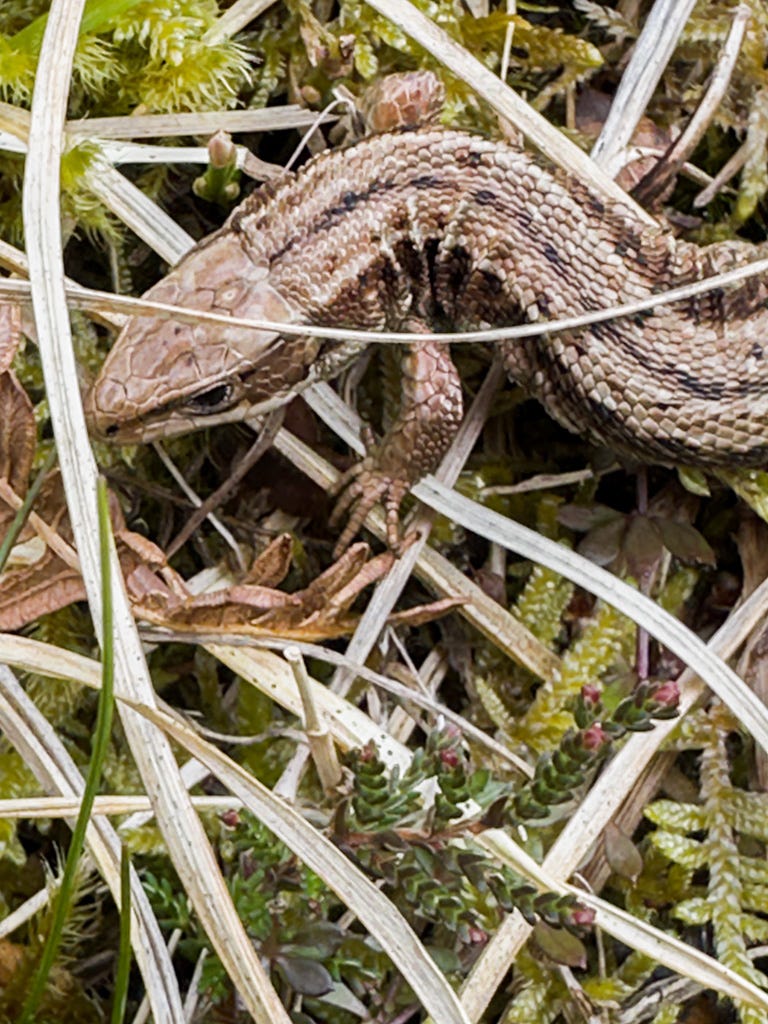
And that is, in many ways, the heart of the issue. These creatures are under-recorded.
We call them common lizards, and in terms of distribution they are thought to be widespread across the Highlands, occupying heathlands, moorlands, grasslands, woodland edges and even the occasional garden, but that apparent familiarity masks a significant gap in our understanding, because what we lack is not evidence of presence but a meaningful picture of abundance, and without that, it becomes extremely difficult to say whether populations are stable, increasing or declining.
Much of this uncertainty comes down to density. This deceptively simple concept has profound implications, because a single sighting tells us very little in isolation; the lizard you see basking on a path might be one of many using that area, or it might be alone, a remnant of a population that has already diminished, and without a clearer sense of how many individuals are present within a given space, we are left interpreting fragments rather than patterns.
The lizards ability to evade detection only deepens this problem, because common lizards are exceptionally well adapted to blend into their surroundings, their colouration mirroring the subdued tones of the Highland landscape so effectively that they rarely draw attention to themselves unless they move, and even then the movement is so rapid and so precisely directed that it offers only the briefest window of opportunity to observe them before they disappear into vegetation or beneath the surface, let alone capture a photograph.
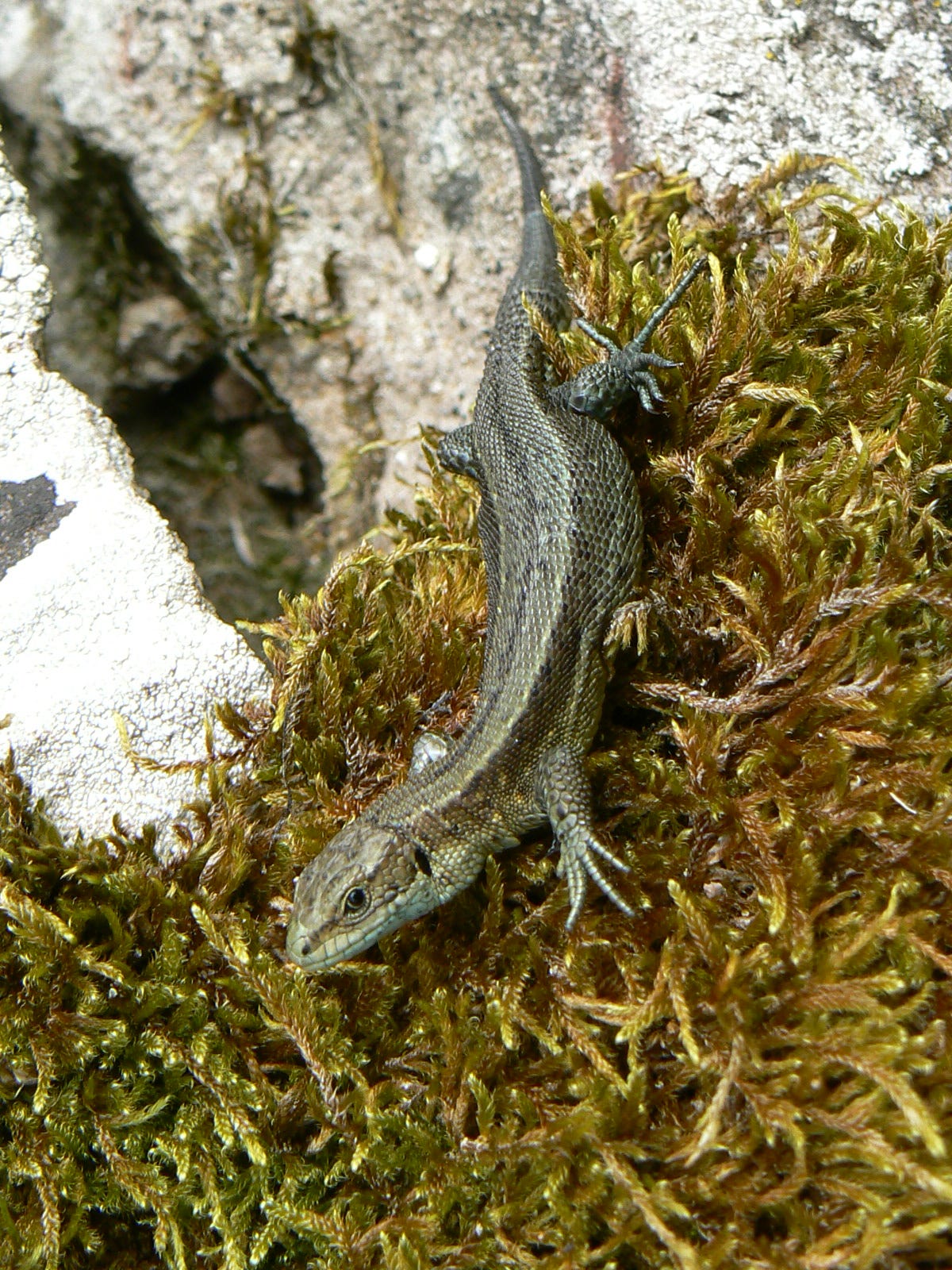
This makes reliable identification challenging, particularly when sightings are fleeting, as they so often are, and it is easy to see how they might be confused with other small, ground-dwelling creatures such as newts, especially in damp or mixed habitats, while the practical difficulty of obtaining a clear photograph further reduces the likelihood that casual observations will be recorded at all.
Emerging from hibernation in early spring, often in March if conditions allow, they must quickly begin feeding and basking in order to build the energy reserves required for reproduction. Mating typically takes place in April and May, followed by one of their most remarkable reproductive adaptations. Rather than laying eggs, the females retain them internally, giving birth to live young in mid-summer, usually between three and eleven offspring, each one fully formed and immediately subject to the same environmental pressures as the adults.
This reproductive strategy, unusual among reptiles, is particularly well suited to the Highlands, where ground temperatures may be insufficient to support external egg incubation, and by carrying their young within their bodies, females are able to regulate development more effectively, increasing the chances of survival in an otherwise marginal climate.
By late summer and into autumn, activity begins to decline as temperatures drop, and individuals seek out suitable hibernation sites where they will remain until the following spring, meaning that the period during which they can be observed is relatively short, and highly dependent on weather conditions, further limiting opportunities for recording.
It is within this context that we are working with Amphibian and Reptile Conservation (ARC) to improve our understanding of common lizards in the Highlands, recognising that while they are assumed to be widespread, there is insufficient data to support any meaningful assessment of their population status. We hope to gather a stronger evidence base, so that subtle declines don’t go unnoticed.
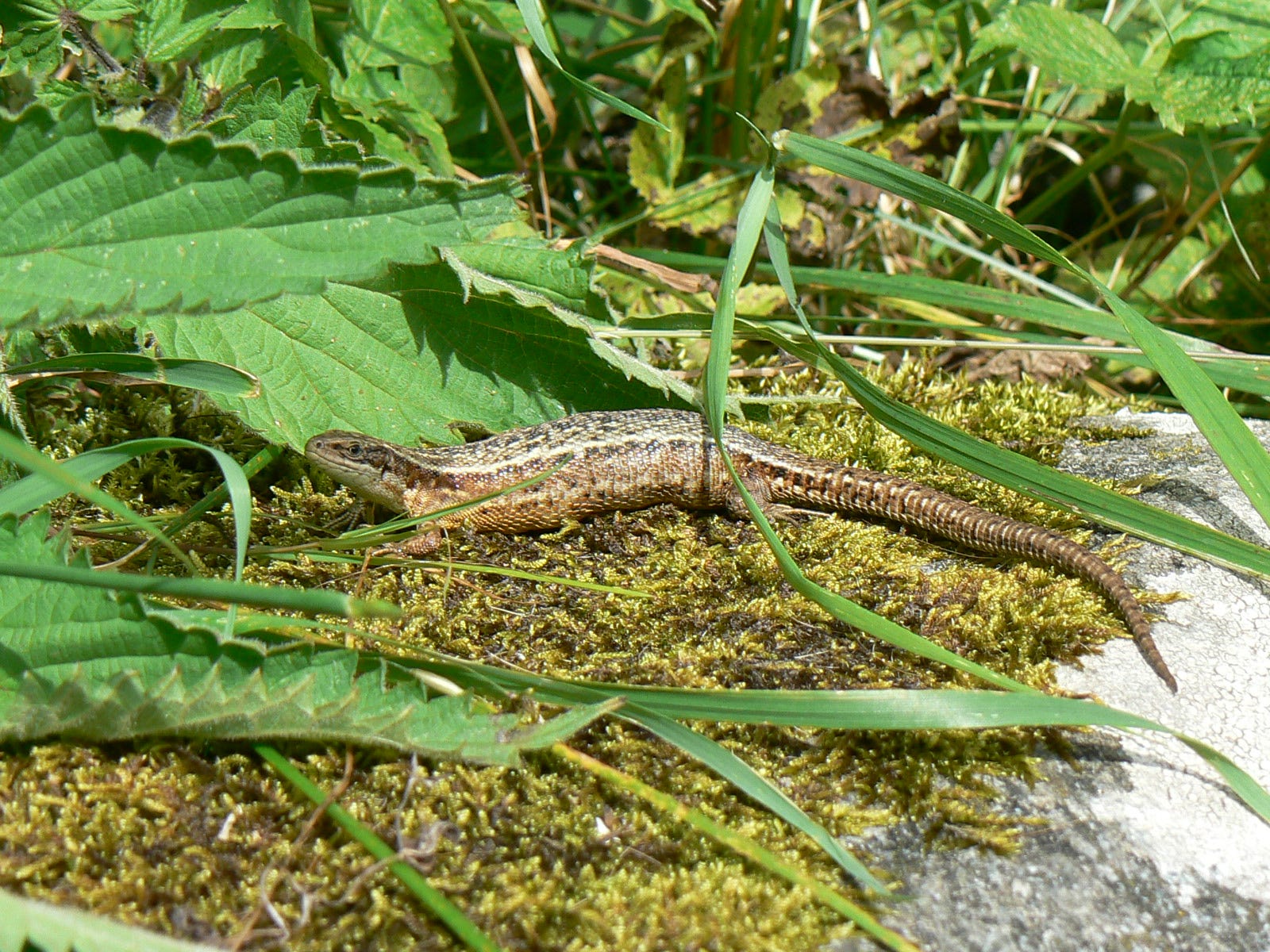
Changes in land use, vegetation structure, habitat management and wildfire all have the potential to influence the population, availability of suitable basking sites, cover and prey, and because these lizards depend on a finely balanced mosaic of conditions, even relatively small shifts can have disproportionate effects on local populations. This leads not to dramatic disappearances but to gradual reductions that are much harder to detect.
To address this, we are taking a more accessible approach to recording, using Facebook community groups as a way of encouraging people to share sightings in a straightforward and informal way, without the expectation of a photograph or formal submission process.
This is designed to build on the success of a similar ARC trust initiative focused on slow worms in Scotland in 2024 and 2025, which generated a high volume of valuable records and engaged people who might not otherwise have contributed to biological recording.
If Facebook is not a preferred option, sightings can also be submitted directly to Janet Ullman at ARC, and in both cases the emphasis is on capturing observations that might otherwise be lost; those brief encounters, those flickers of movement that do not always translate into clear images but nonetheless represent real data points in a much larger picture.
And it is in the flicker, the hesitation, the almost-seeing - that the story of the common lizard truly resides, waiting to be noticed.
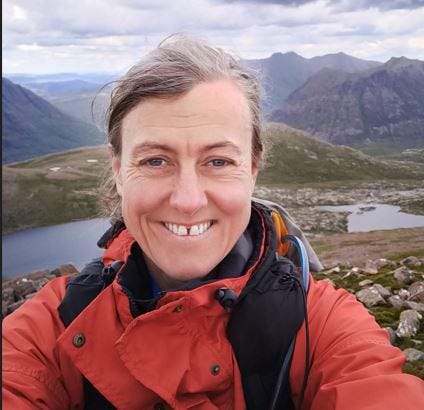
Imogen Furlong, the High Life Highland Countryside Ranger Manager, is known for her enthusiasm, organisation, and drive. Her deep passion for the Scottish Highlands' wildlife and extensive experience in outdoor education and recreation management have been central to this role. Imogen is a practical and collaborative project manager, empowering her teams to work effectively in communities and contribute to local conservation efforts.