

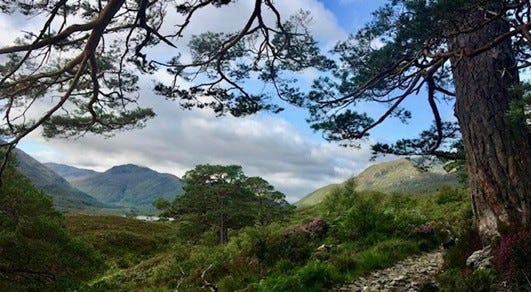
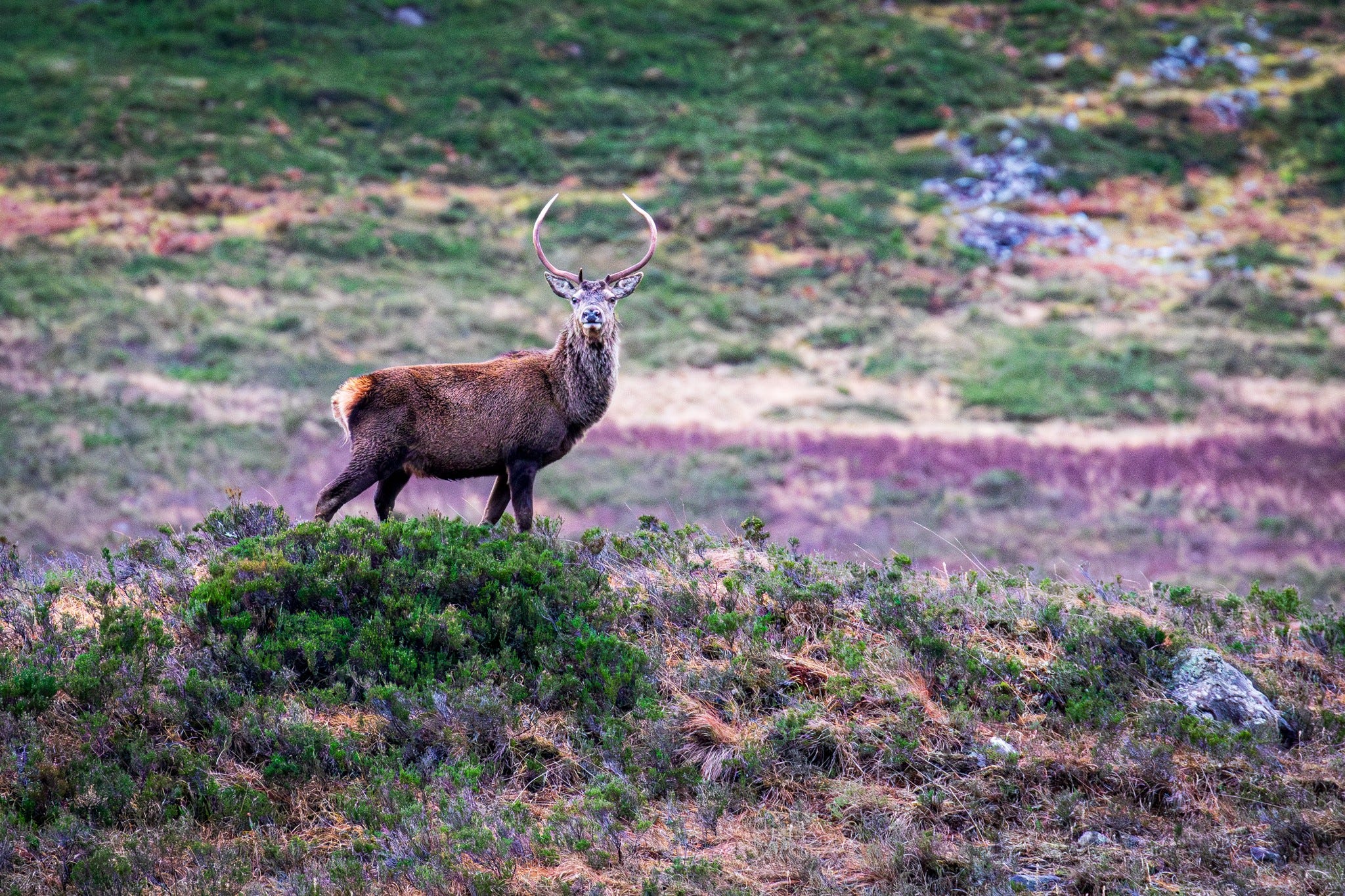
When you spend enough years wandering the Highlands with binoculars ever ready round your neck, you develop a certain fondness for the creatures who share the landscape with you. Of all those creatures, none capture the imagination quite like the red deer. They are the unmistakable silhouettes on the skyline: antlers raised, heads high. Even after all this time, I still find myself pausing to admire them—though often simultaneously noting which young birch they’ve just eaten. They may be the “Monarchs of the Glen,” but they are also part of the reason for the lack of trees in the Highland landscape. Thay are certainly our largest land mammal but not necessarily the heaviest at up to 240kg if you count a grey seal bull when it hauls up on land weighing on at up to 300kg!
A Life Shaped by the Seasons
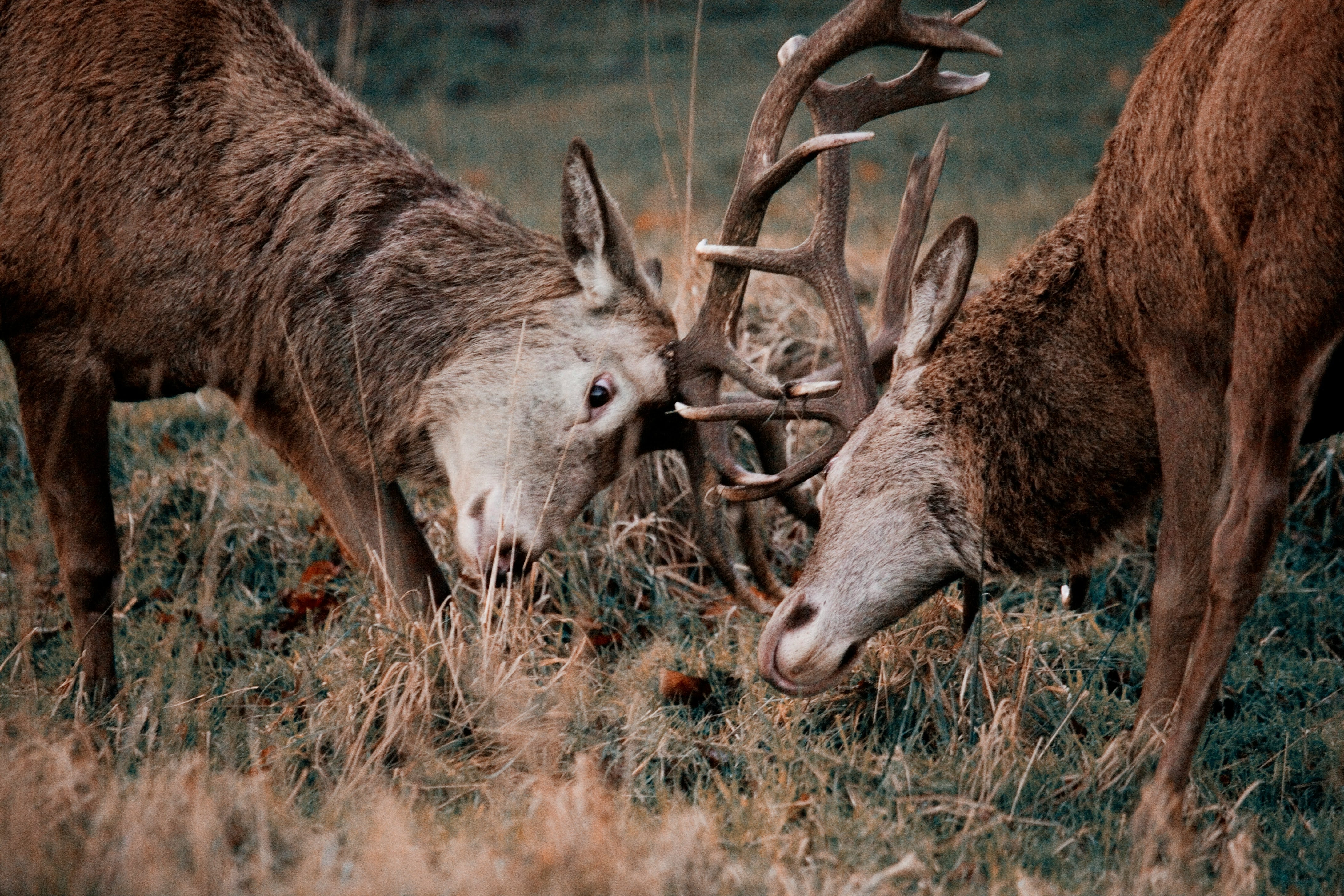
Red deer live by the rhythm of the year. Autumn is perhaps the most dramatic season, marked by the rut. The haunting roar of stags echoes through the glens as they battle for dominance and the right to mate. These contests are fierce, yet rarely fatal, and they determine which males will pass on their genes.
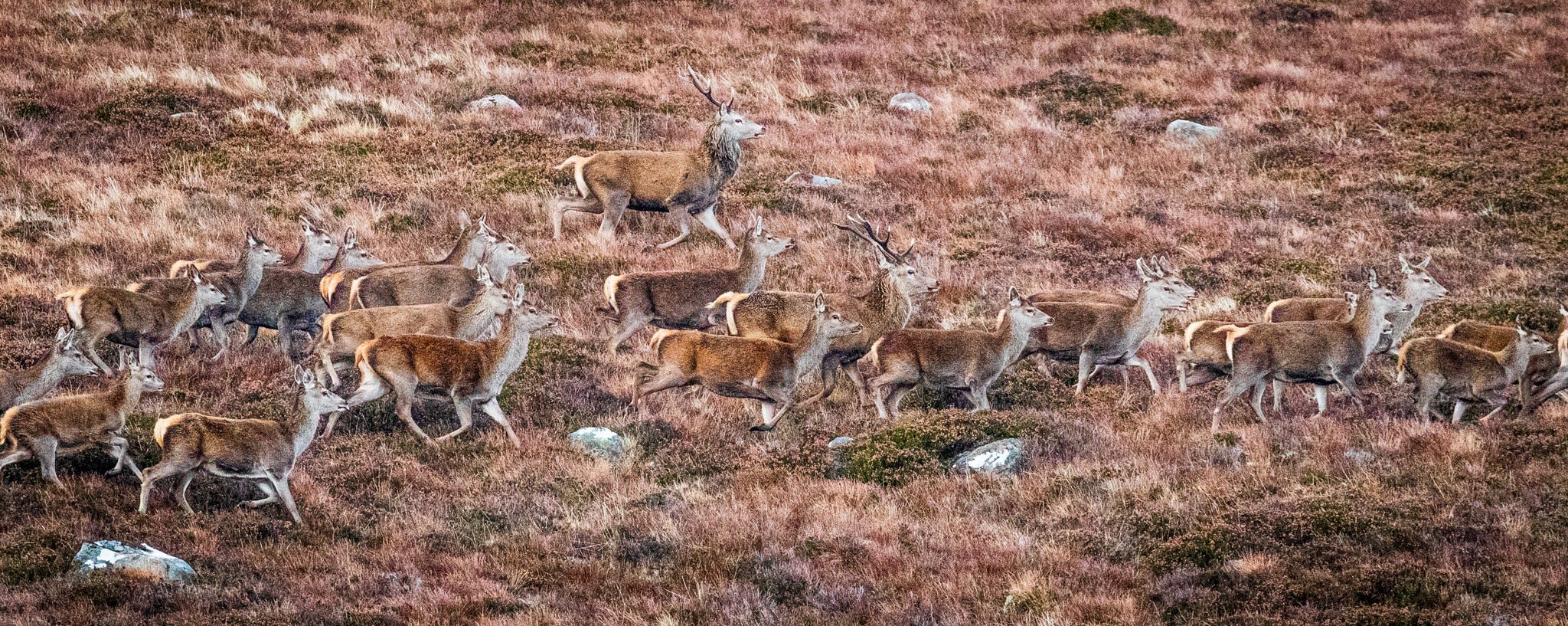
Winter brings a stark contrast. Food becomes scarce, and survival is the priority. Deer descend from the high tops to lower ground, seeking shelter and sustenance. Spring and summer offer calmer times, with hinds giving birth to calves and herds grazing on lush vegetation.
Shaping the Highland Landscape
Red deer are not just inhabitants of the Highlands—they are influencers. Their grazing habits affect woodland regeneration, plant diversity, and even soil health. In areas where deer numbers are high, young trees struggle to establish, which impacts biodiversity and carbon storage. Red deer culling, if done at the right level, is an effective method of reducing grazing pressure and allowing woodland to regenerate. Deer fencing is also effective if the fences are well maintained.

A Close Encounter
Working as a ranger brings you close to wildlife, sometimes closer than expected. One evening, while working as a West Highland Way Ranger near Bridge of Orchy, I stepped out of my van beside a stone wall, a large stag brushed past me. Its antler caught my shoulder as it squeezed through the narrow gap. The sheer size and power of the animal were breathtaking. A sharp a reminder that these creatures are not just symbols on postcards, but living, unpredictable beings sharing our landscape. Stags duelling during the rut can be dangerous too – I once watched a pair destroy a roadside fence that had got in the way!
Challenges in a Changing World
Climate shifts, evolving land use, and public attitudes all influence deer management. Warmer winters may alter deer behaviour and distribution, while debates around rewilding and predator reintroduction add new dimensions to the conversation.
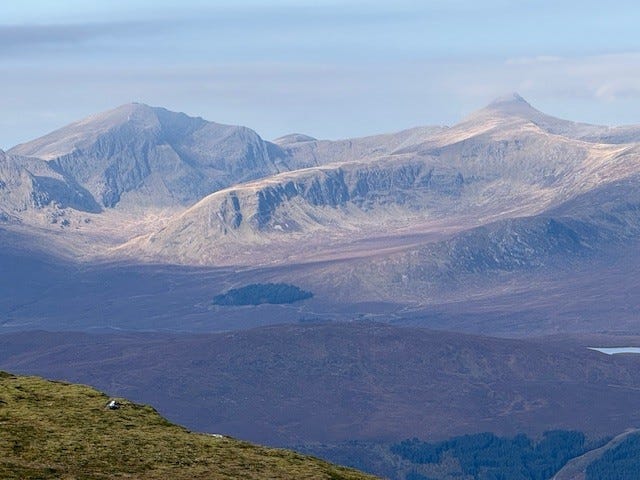
Red deer truly are the monarchs of the glen, symbols of strength and resilience yet deeply connected to human decisions and environmental stewardship. Understanding their lives helps us appreciate the intricate balance between nature and conservation management in the Highlands.
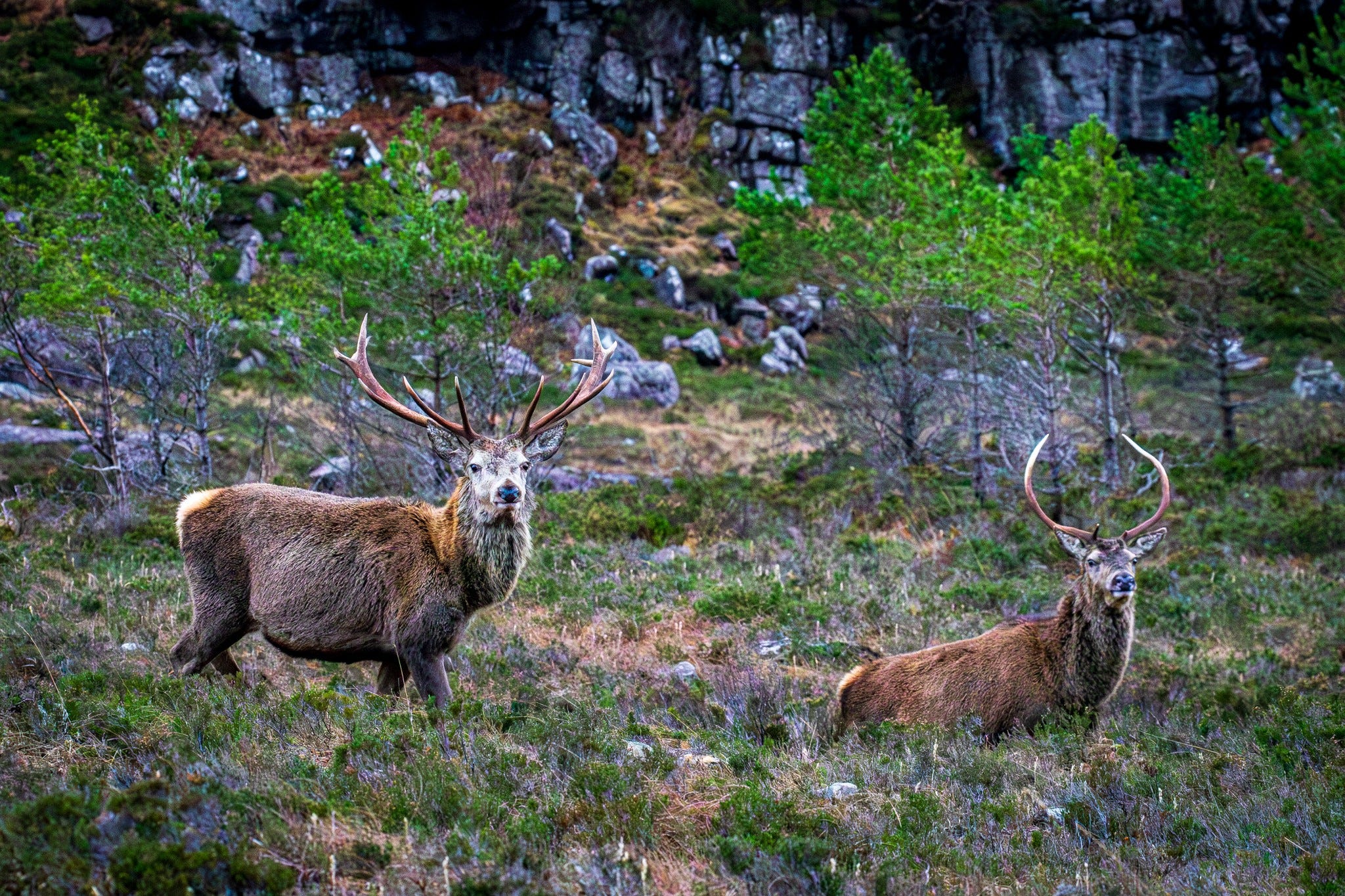
I’ll be talking more about these animals in a lot more detail at my upcoming event, Red Deer: Monarchs of the Glen, on Thursday 15 January 2026 at 7pm
Book here for a place: Monarchs of the Glen - Eventbrite
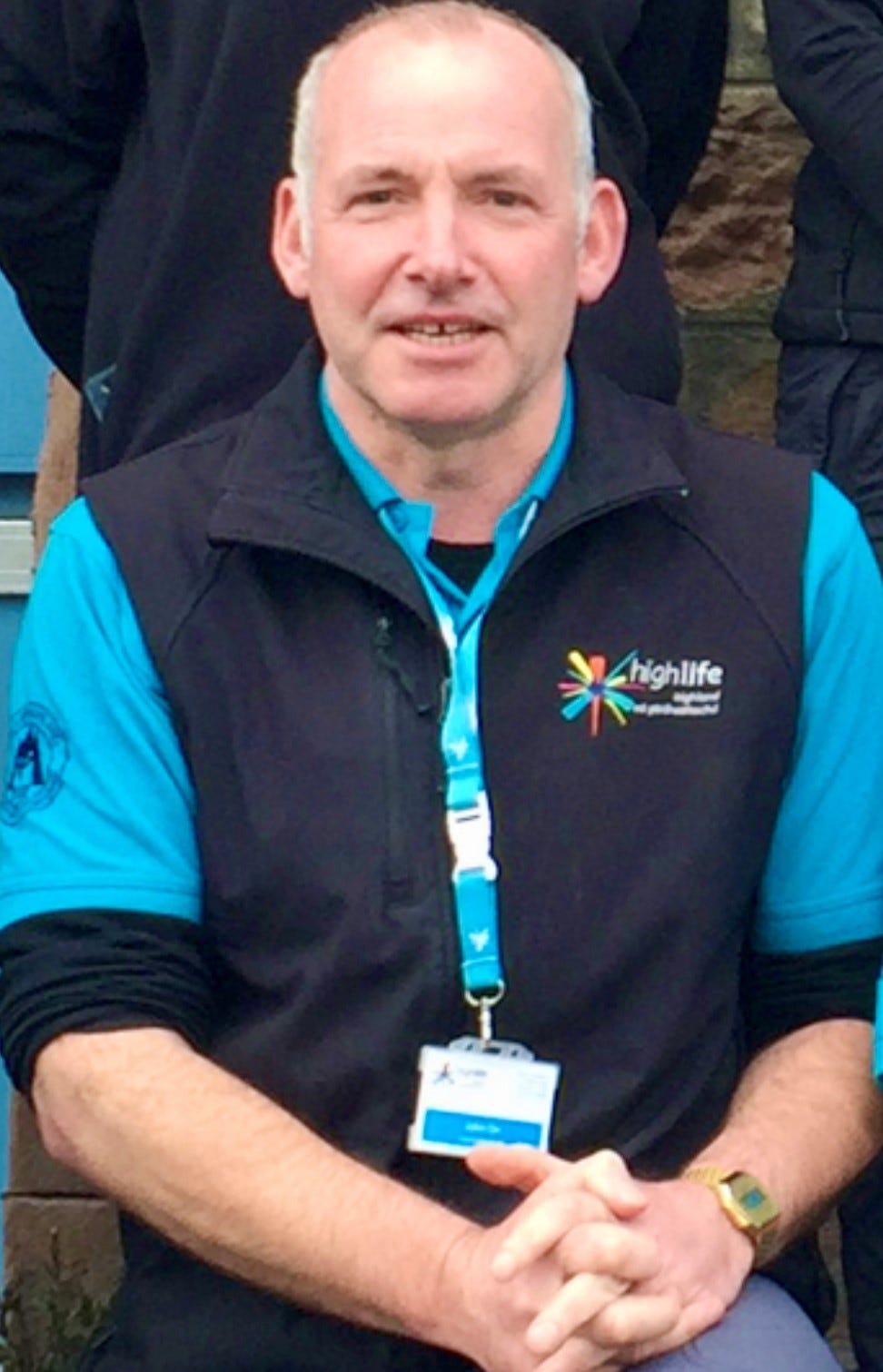
John Orr is the High Life Highland Countryside Ranger for Inverness. Throughout his career spanning 30 years, John has demonstrated a deep commitment to environmental stewardship and education. His work has not only contributed to the preservation of Scotland’s natural heritage but has also inspired many individuals to engage with and appreciate the natural world around them.
Fantastic... keep up the good work
Monarch of the Glens was a great programme.